
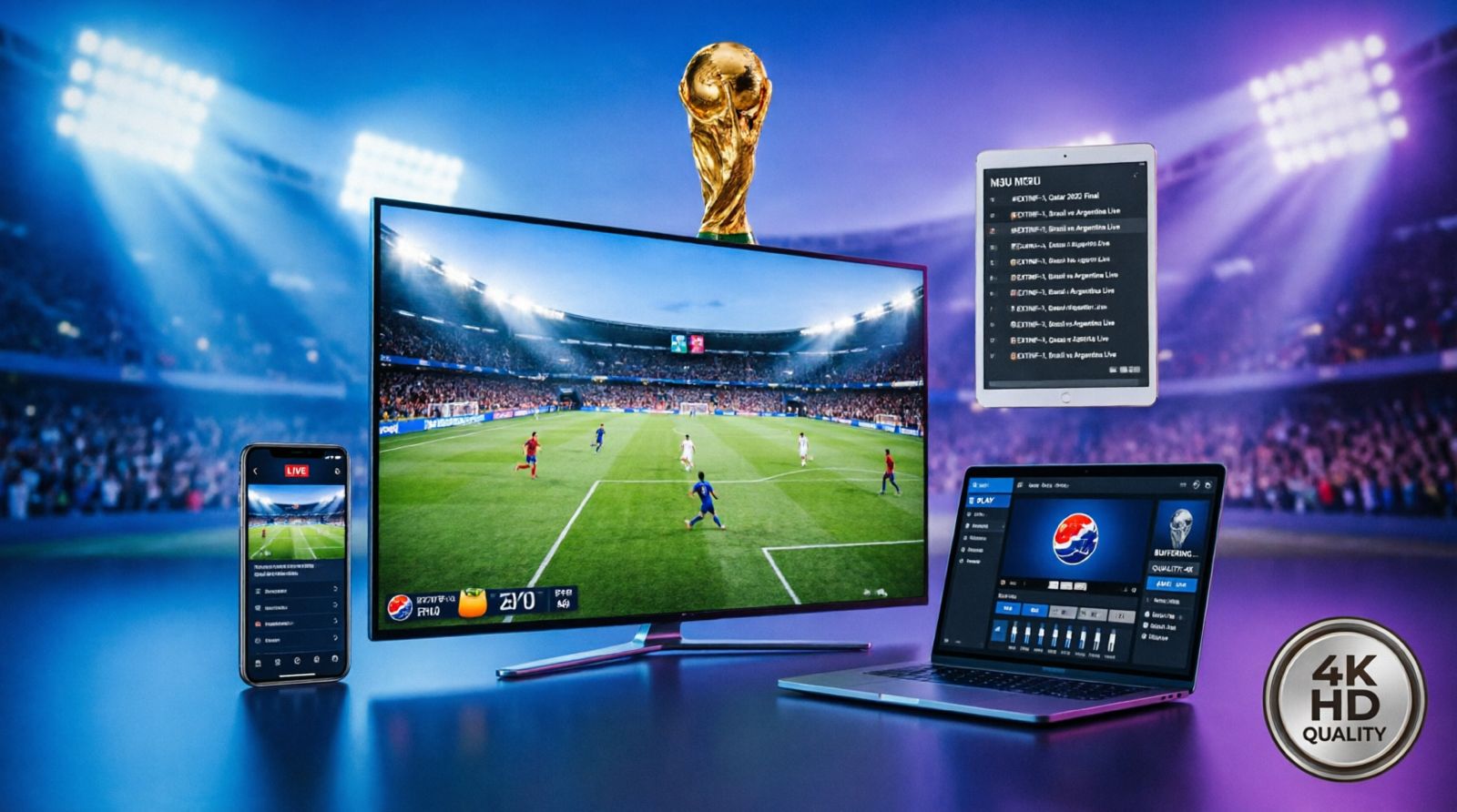
What is an IPTV Box?
An IPTV box is a device that enables users to stream television content over the Internet using Internet Protocol (IP) technology. Unlike traditional cable or satellite television, which relies on analog signals transmitted through coaxial cables or radio waves, IPTV operates through a broadband connection, offering a more flexible and alternative solution for television viewing. This technology allows for a vast array of content to be delivered directly to a subscriber’s television, computer, or compatible smart devices.https://iptvboxonline.com/
One of the key advantages of utilizing an IPTV box with Android is its ability to support a variety of streaming services and applications. Users can download various apps that offer live television channels, on-demand content, and even premium subscriptions. With an active IPTV subscription, viewers can access a wide range of channels, movies, series, and more from the comfort of their homes. This not only allows for greater choice in content but also the convenience of watching shows on demand, circumventing the restrictions commonly associated with traditional television services.
Moreover, the integration of IPTV boxes with Android systems enhances user experience through a user-friendly interface, responsive navigation, and the opportunity to personalize viewing preferences. Viewers can install additional applications tailored to their unique entertainment needs, ensuring that the IPTV box offers a comprehensive service aligned with contemporary viewing habits. Therefore, it is evident that the IPTV box is revolutionizing the way consumers access television content, promoting flexibility, and enriching the overall viewing experience.contact@iptvboxonline.com
The Advantages of Using an Android IPTV Box
Utilizing an IPTV box powered by Android comes with numerous advantages that can significantly enhance your entertainment experience. One of the primary benefits is the vast access to streaming services. Unlike traditional television systems, an Android IPTV box allows users to subscribe to a multitude of IPTV services, thereby offering a more extensive selection of channels and content than ever before. These services often include on-demand movies, live broadcasts, and international channels, making it easier for users to find their preferred programming.
Furthermore, the user-friendly interface that Android apps are known for provides a seamless navigation experience. Users can easily browse through channels, manage their IPTV subscriptions, and customize their viewing preferences without any technical hurdles. The intuitive layout encourages quick access to favorites, ensuring that popular content is only a click away.
Another significant advantage is the multitasking capabilities of the Android platform. Users can run applications simultaneously without experiencing hindered performance. This means you can be streaming a show while chatting on social media or even searching for information online. This versatility elevates the functionality of an IPTV box powered by Android beyond that of its competitors.
Moreover, compatibility with a wide array of applications is another reason to consider an Android IPTV box. The Google Play Store offers thousands of apps, including games, educational tools, and productivity software. This allows the IPTV box to function as a multi-purpose entertainment system instead of being limited to just viewing television content. The ability to install additional software offers users a more personalized experience, as they can tailor the device to match their interests.
How to Choose the Right Android IPTV Box
When selecting an Android IPTV box, several factors must be considered to ensure it meets your specific needs and preferences. The first and foremost aspect to examine is your budget. IPTV boxes are available at various price points, ranging from budget-friendly models to high-end options. It’s essential to determine how much you are willing to invest in an IPTV subscription, as this will directly influence the choice of box.
Next, evaluate the features offered by different Android IPTV boxes. Essential features include support for 4K video resolution, which provides exceptional viewing quality, and functionality for various streaming apps. Moreover, some boxes come equipped with built-in Chromecast capabilities, which allow you to easily cast content from your mobile devices. Look for a device that offers the applications and compatibility you desire with your preferred IPTV service.
Processing power also plays a crucial role in the performance of an IPTV box. Opt for a model with a robust chipset and sufficient RAM, enabling smooth navigation and quick loading times of your chosen IPTV channels. A box with at least 2GB of RAM is typically recommended for optimal performance.
Storage capabilities should be taken into account as well. Some users may require additional storage for recordings and apps. Look for devices with expandable storage options or consider models that already offer substantial built-in storage.
Lastly, consider the connectivity options available on the IPTV box. Ensure it has multiple USB ports, HDMI outputs, and Wi-Fi capabilities. A stable internet connection is vital for streaming, making a dual-band Wi-Fi option a plus for uninterrupted viewing experiences.
Brands such as NVIDIA Shield, Xiaomi Mi Box, and Amazon Fire TV Stick are often recommended due to their reliability and feature sets. Conducting thorough research on these brands will help you make a well-informed decision that suits your entertainment needs.
Setting Up Your Android IPTV Box
Setting up your Android IPTV box may seem daunting, but the process is straightforward if you follow these steps carefully. First, start by connecting the IPTV box to your television. Use an HDMI cable to link the box to one of the HDMI ports on your TV. Once connected, power on the television and select the corresponding HDMI input using your remote control.
Next, ensure that your Android IPTV box is powered on. Most boxes come with a power adapter, which should be plugged into a power outlet. Once the box has booted up, you will be prompted to complete a series of initial setup steps. This includes selecting your preferred language.
In this phase, configuring your internet connection is crucial. If your IPTV box supports Wi-Fi, navigate to the Wi-Fi settings within the Android menu and select your home network. Enter the password accurately to connect. Alternatively, if you prefer a wired connection, connect an Ethernet cable from your router directly to the box.
Once the internet connection is established, you can proceed to install essential applications to access your IPTV subscription. Open the Google Play Store app from the home screen, where you’ll find a search bar. Enter the name of the IPTV application recommended by your IPTV provider and download it. This application will allow you to stream live TV and on-demand content seamlessly.
After installation, open the IPTV app and log in using the credentials provided by your IPTV subscription service. Ensure you have a valid subscription to enjoy uninterrupted streaming. Adjust the settings as necessary, including bandwidth adjustments to optimize your viewing experience. By following these steps, you can effectively set up your Android IPTV box and dive into the world of digital content. http://wa.me/447916696718
Popular Apps for Android IPTV Boxes
The advent of IPTV (Internet Protocol Television) has revolutionized the way we consume entertainment, specifically through IPTV boxes powered by Android. One of the critical elements that enhance the user experience of an IPTV box Android is the availability of a range of applications that cater to video streaming, media playback, and utility purposes. Below, we explore some of the most popular apps that contribute to a superior IPTV experience.
One of the primary apps is Plex, known for its media server capabilities. Plex allows users to organize and manage their media library efficiently, making it accessible on the IPTV box Android. By installing Plex on the IPTV box, users can stream their personal videos, movies, and shows while also accessing a variety of online content.
Another notable application is Kodi. It serves as a robust media center that offers extensive customization options through various add-ons. Kodi enables users to play and view most videos, music, podcasts, and other digital media files from local and network storage media, as well as the internet. With an IPTV subscription, users can integrate their live TV services directly into Kodi, thereby streamlining their viewing experience.
For those looking to enhance streaming quality, the MX Player is an excellent option. It supports a variety of video formats and boasts features such as subtitles and gesture controls, improving the overall watching experience on an IPTV box Android. Users can utilize MX Player for seamless playback of high-definition content, thus enriching their IPTV service. http://wa.me/447916696718
Additionally, VLC Media Player is a versatile application that supports a wide range of multimedia formats. It is popular among users for its lightweight design and ability to stream content over networks. By using VLC on your IPTV box, you can easily access and play various forms of media, enhancing your IPTV subscription experience.
These applications, among others, not only augment the functionality of Android IPTV boxes but also ensure that users can tailor their viewing preferences. As the demand for IPTV services continues to grow, the use of these popular apps is likely to become more prevalent among users seeking an optimized streaming experience.
Tips for Optimizing Your IPTV Experience
Enhancing your IPTV viewing experience with an IPTV box Android can significantly improve your overall satisfaction. The first step is to ensure that you have a robust and stable internet connection. A wired connection is generally recommended, as it provides better reliability compared to Wi-Fi. If a wired connection is not feasible, ensure that your Wi-Fi signal is strong and stable; placing the router close to your streaming device can often mitigate connectivity issues.
Next, optimizing the settings on your IPTV box Android is crucial. Access the settings menu and adjust parameters such as video resolution and audio features to match your preferences and equipment. Choosing the right video format can enhance picture quality, while proper audio settings can enrich your listening experience. Many IPTV services allow customization of these settings, so it’s worth spending some time to explore them.
Another vital tip involves organizing your channels effectively. Many IPTV subscription services enable users to create custom playlists or favorites lists, helping streamline access to preferred content. By taking the time to categorize channels, you can enhance your navigation experience, ensuring you spend less time searching for shows and more time enjoying them.
Lastly, consider regularly updating your IPTV box Android software to benefit from the latest security patches and features. Manufacturers often release updates to improve performance and fix bugs, ensuring optimal operation. Proper maintenance, combined with a well-organized channel list and a strong network connection, will enable you to unlock the full potential of your IPTV service and deliver a satisfying viewing experience.
Troubleshooting Common Issues with IPTV Boxes
IPTV boxes, particularly those operating on the Android platform, have gained immense popularity due to their ability to stream diverse content effortlessly. However, users may encounter a range of issues that could hinder their viewing experience. Understanding how to troubleshoot these problems is crucial for maximizing the benefits of an IPTV subscription.
One frequently reported issue pertains to connectivity. If your IPTV box is unable to connect to the internet, ensure that your Wi-Fi settings are configured correctly. Rebooting the router or the IPTV box itself can often resolve connectivity problems, allowing for a smooth streaming experience. Additionally, verify that your IPTV subscription is active and that there are no interruptions from the service provider.
Another common concern is buffering during playback. If streaming lags, inspect your internet connection speed. A bandwidth of at least 10 Mbps is typically recommended for seamless playback of high-definition content. Upgrading to a higher-speed internet plan or switching from Wi-Fi to a wired Ethernet connection may alleviate buffering issues significantly.
Furthermore, users may face problems with channel availability or content not loading. In such cases, check the IPTV application settings and ensure that the correct playlist URL is entered. If you are using a third-party IPTV app, consider reinstalling it or switching to a different application that is more reliable with your IPTV box Android.
Lastly, software compatibility can also be a significant factor. Make sure your IPTV box is running the latest version of Android and that all applications are updated to their newest versions. This will ensure optimal functionality and can prevent various glitches that may arise from outdated software.
By familiarizing themselves with these troubleshooting techniques, users can enhance their IPTV experience and make the most of the capabilities offered by their IPTV box Android.
Comparing Android IPTV Boxes to Other Streaming Devices
In the realm of home entertainment, streaming devices have become a staple for accessing a variety of content. Among these options, Android IPTV boxes stand out due to their versatility and functionality. When comparing these devices to other popular streaming solutions, such as Roku, Amazon Fire TV, and Apple TV, several aspects come into play, including performance, compatibility, and user experience.
One of the primary advantages of Android IPTV boxes is their ability to provide a comprehensive multimedia experience. Users can watch live TV and access on-demand content through an IPTV subscription while also enjoying popular applications like Netflix, YouTube, and various gaming platforms. The Android operating system offers flexibility; users can download applications from the Google Play Store, providing a custom-tailored viewing experience.
In contrast, devices like Roku and Apple TV tend to have a more restrictive ecosystem, limiting users primarily to pre-installed applications. While these devices offer a polished interface and stable performance for mainstream applications, they often lack the at-home customization that Android IPTV boxes provide. Amazon Fire TV offers a middle ground, but users may find its integration with Amazon services both advantageous and limiting depending on their preferences.
However, it is important to consider the potential drawbacks of Android IPTV boxes. Performance can vary significantly depending on the hardware specifications of the box, with lower-end models suffering from slower processing speeds and potential connectivity issues. Meanwhile, Roku and Apple TV devices often provide a consistent performance across the board due to more controlled hardware environments.
Ultimately, the choice between an Android IPTV box and other streaming devices largely depends on the user’s specific needs and preferences. Those seeking a versatile, custom experience may find the Android IPTV box to be the best option, while others might prefer the simplicity and stability of competitors like Roku or Apple TV.
Future of IPTV Technology
The future of IPTV technology appears to be both promising and transformative, driven by rapid advancements in broadband speeds and streaming capabilities. As consumers gravitate towards personalized programming experiences, the integration of IPTV box Android devices will likely become more prevalent. This shift not only enhances user experiences but also raises expectations regarding streaming quality and content variety.
One notable trend on the horizon is the enhancement of streaming quality, with 4K and even 8K resolution likely to become mainstream. With the current improvements in bandwidth infrastructure, IPTV subscriptions can provide higher-quality content, enabling users to experience sharper images and immersive audio effects. Additionally, as compression technologies develop, the delivery of high-definition streams over lower bandwidths will become feasible, catering to consumers in areas with limited internet accessibility.
Moreover, the integration of IPTV technology with smart home devices signifies a new frontier. Picture an IPTV box Android that seamlessly interacts with users’ digital ecosystems—enabling voice control, personalized content suggestions based on viewer habits, or even automated programming of favorite shows. These intelligent integrations will not only simplify user interaction but also enhance the overall efficiency of content consumption.
Furthermore, evolving consumer preferences, particularly among younger demographics, will push IPTV providers to innovate continuously. The demand for on-demand content, alongside traditional streaming, suggests a need for IPTV services to adapt and cater to a growing appetite for diverse viewing options. As live events, such as sports, transition to more interactive models, the incorporation of social viewing features may soon become standard in IPTV box Android setups. http://wa.me/447916696718
In essence, as technologies develop and consumer habits shift, the future of IPTV will likely hinge on streaming quality, user experience integration, and evolving content preferences. With these considerations in mind, it is evident that the IPTV landscape is poised for significant advancements in the coming years.